A tired garden usually shows the same signs – patchy grass, uneven paving, fencing that has seen better days, and corners that never seem to get used. The good news is that the best garden transformation ideas are not always the most expensive. In most cases, the biggest change comes from getting the layout right, choosing durable materials, and fixing the problems that stop the space from working properly.
For homeowners, landlords, and commercial property managers, a successful garden upgrade should do more than look smart for a few weeks. It should stand up to the weather, be easy to maintain, and make the space more practical day to day. That means thinking beyond surface-level changes and focusing on improvements that deliver real value.
Garden transformation ideas that improve how the space works
The strongest transformations start with function. Before choosing slabs, turf, or decking boards, it helps to ask a simple question: what should the garden actually be used for? A family garden needs different features from a low-maintenance rental property, and a commercial outdoor area has different demands again.
If the space is mainly for relaxing and entertaining, a proper patio or deck often makes the biggest difference. It creates a defined area for seating, gives the garden a focal point, and makes the whole layout feel more organised. If children need room to play, fresh turf or artificial grass can turn an uneven, muddy patch into a usable lawn. If privacy is the issue, new fencing and boundary work can change how the garden feels almost immediately.
A common mistake is trying to fit too much into a small plot. In tighter gardens, fewer well-finished features usually work better than several competing ones. A clean patio, tidy borders, and strong fencing can have more impact than adding every feature at once.
1. Replace worn paving with a proper patio
Old paving can make a garden feel dated even when everything else is in reasonable condition. Cracked slabs, sinking areas, and uneven levels are not just unattractive – they also make the space less safe and harder to use.
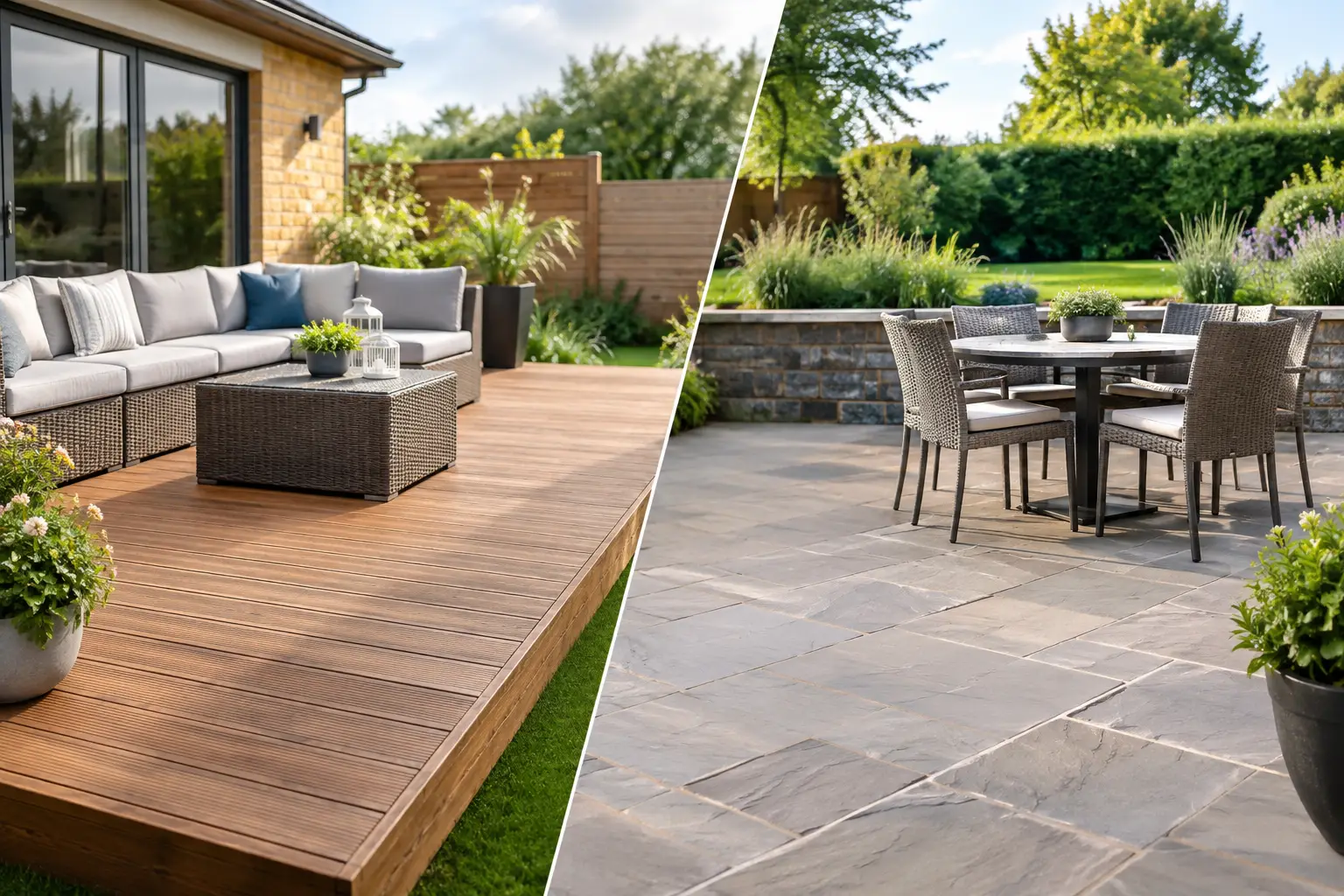
A new patio gives structure to the garden and helps tie the rest of the design together. It can be kept simple with a straightforward paved seating area, or extended to create room for dining, entertaining, or access around the property. The right size matters. Too small and it feels cramped, too large and it can dominate the whole garden.
Material choice depends on budget, style, and maintenance expectations. Some clients prefer a modern, clean finish, while others want something more traditional. What matters most is proper preparation underneath. A patio only performs well long term if the groundworks are done correctly from the start.
2. Improve poor lawns with turf or artificial grass
A lawn should make a garden feel fresh and usable. If it is mostly weeds, bare patches, and mud, it drags the whole space down. In many transformations, replacing the lawn is one of the quickest ways to make the garden feel finished.
Real turf works well when clients want a natural look and are happy to keep up with mowing, feeding, and seasonal care. It suits family gardens and larger plots where a softer, greener appearance matters. Artificial grass is often the better option where low maintenance is the priority, especially in smaller gardens, rental properties, or shaded areas where natural grass struggles.
There is no one-size-fits-all answer here. Real grass usually feels more natural underfoot and can be the better choice for those who enjoy gardening. Artificial grass reduces ongoing maintenance, but the installation quality is key if it is going to look right and drain properly.
3. Upgrade fencing to add privacy and a cleaner finish
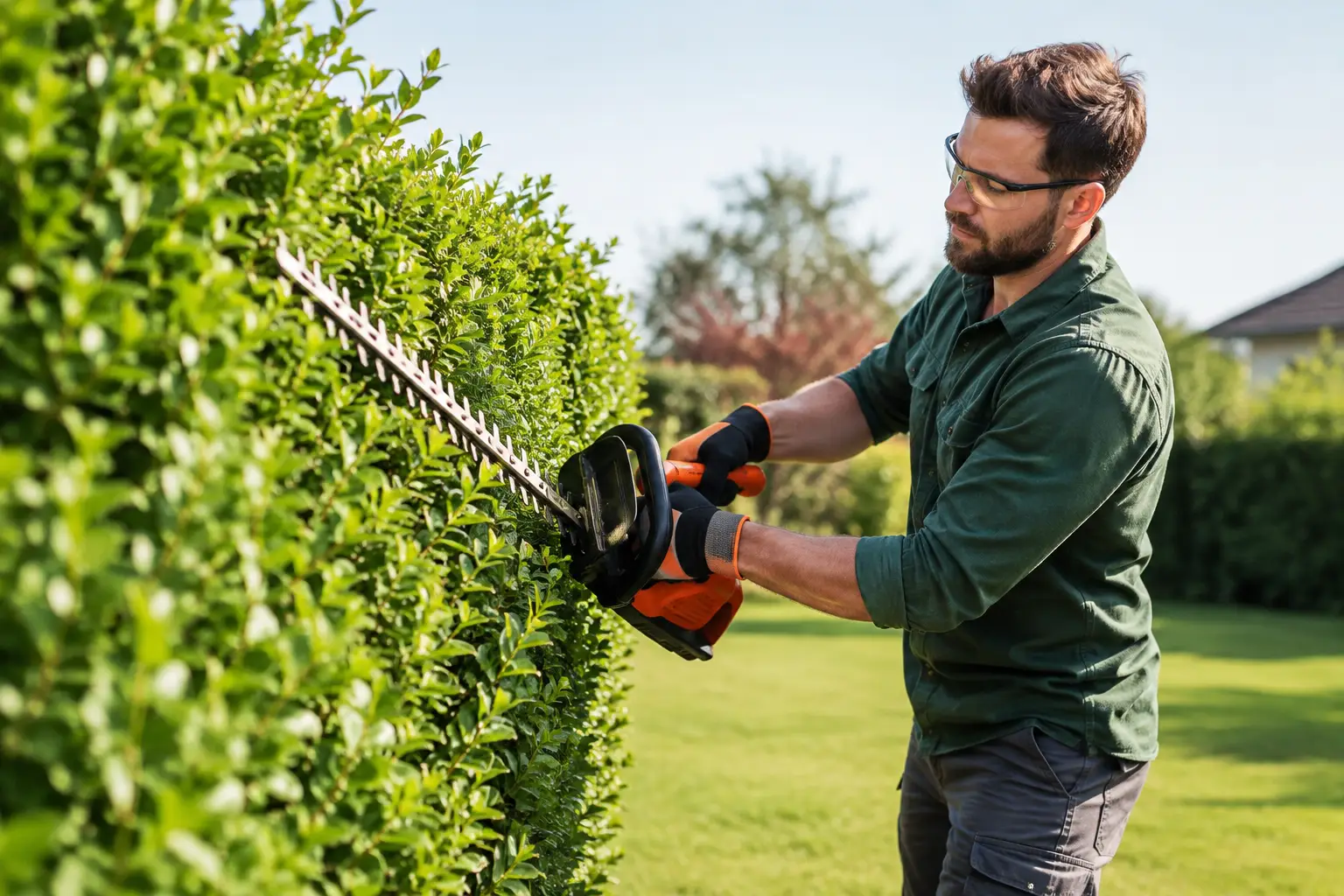
Few things improve a garden faster than new fencing. Old panels, leaning posts, and mismatched repairs make the whole boundary look neglected. Strong, tidy fencing gives immediate structure, improves privacy, and helps the space feel secure.
This matters just as much for appearance as it does for practicality. A fresh fence frames the garden. It makes planting areas look neater, gives patios a better backdrop, and can even make the plot feel more valuable overall.
For landlords and commercial properties, durable boundary work is often a sensible investment because it cuts down on future repair issues. For homeowners, it is often one of the simplest ways to achieve a clean, finished look without redesigning the whole garden.
4. Add decking where levels are awkward
Not every garden is best suited to paving alone. If the ground slopes, has awkward changes in level, or needs a raised seating area, decking can be a smart solution. It helps create usable space where a standard patio may be more difficult or more costly to install.
Decking also works well when the goal is to soften the overall look of hard landscaping. It brings warmth to the design and can create a clear zone for outdoor furniture. The key is to avoid treating it as a shortcut. Good substructure, careful spacing, and solid installation all matter if it is going to stay safe and look good.
For some clients, paving will still be the lower-maintenance option. Decking can be excellent in the right setting, but it needs to suit both the layout and the level of upkeep the customer is comfortable with.
5. Sort drainage before cosmetic work
This is the part many people try to skip, but it often decides whether a transformation lasts. If the garden suffers from standing water, poor runoff, or boggy areas, new turf or paving alone will not solve the problem.
Drainage issues can affect lawns, patios, driveways, and even fencing over time. Waterlogged ground leads to mess, movement, and avoidable damage. In some gardens, the answer is simple grading and better levels. In others, more involved drainage or groundwork is needed to move water away properly.
It is not the most visible part of a project, but it is often one of the most important. A garden that drains well is easier to maintain, safer to use, and far less likely to develop problems after heavy rain.
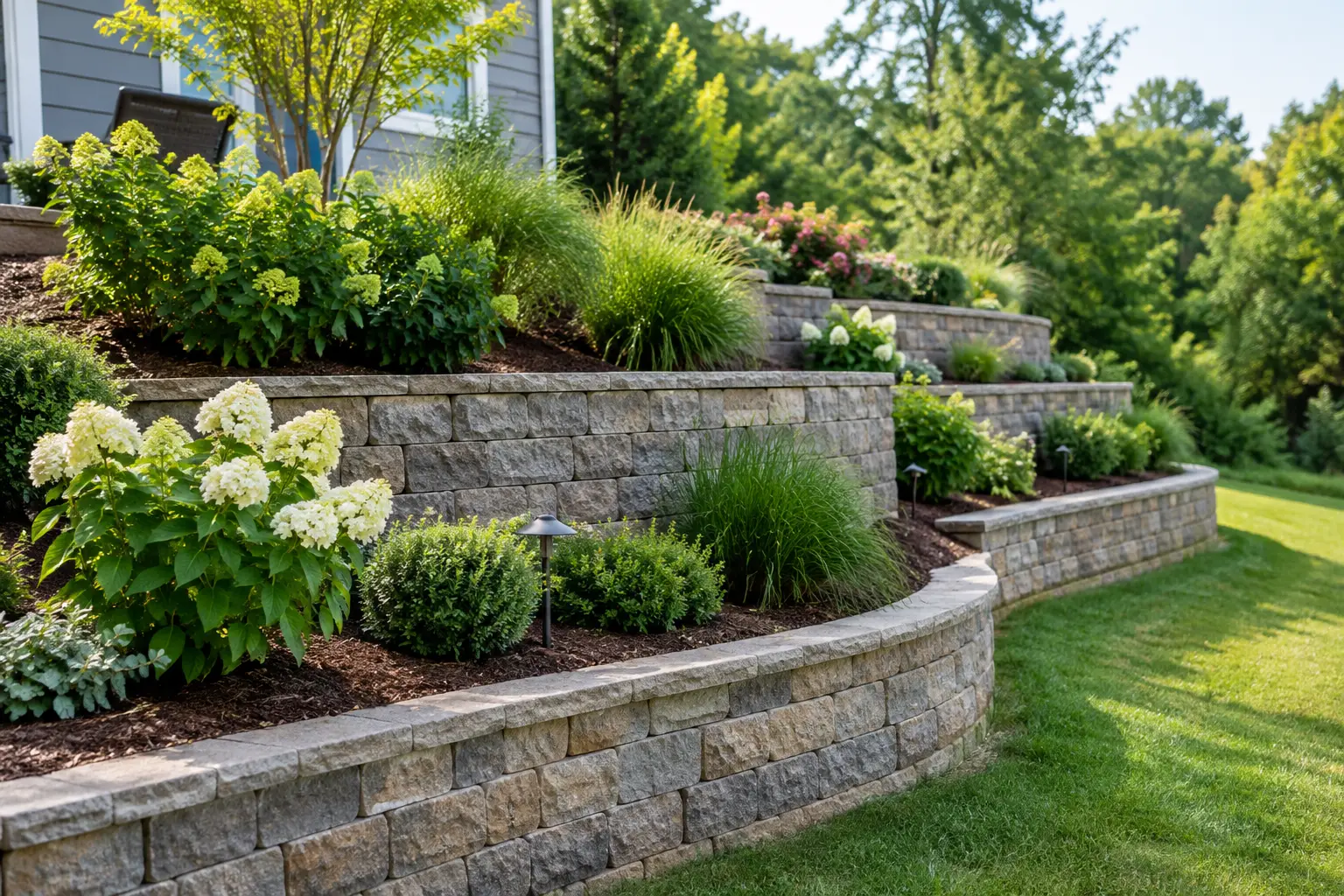
6. Use retaining features to make slopes usable
Sloped gardens can feel like wasted space when they are difficult to access or maintain. With the right design, though, they can be transformed into practical levels with clear zones for seating, lawn, or planting.
Retaining work can help turn a difficult plot into something much more usable. That might mean creating a flat patio area near the house, building up a lawn section, or improving access between levels. These kinds of changes require careful planning and proper groundwork, but they often unlock far more value than cosmetic upgrades alone.
This is where using one contractor for landscaping and site preparation can make the process simpler. When the same team can manage excavation, levels, drainage, and final finishes, the job tends to run more smoothly.
7. Refresh the layout instead of just replacing like for like
Some gardens do not need more features. They need a better arrangement. If the current space feels awkward, narrow, or underused, changing the layout can have more impact than swapping old materials for new ones.
That could mean widening a patio so it actually fits outdoor furniture, moving lawn space away from heavy shade, or repositioning paths so the garden flows better. Even small changes in shape and proportion can make the whole area feel larger and more useful.
Among the most effective garden transformation ideas, layout changes are often overlooked because they are less obvious at first. But in practice, they are often what make a finished project feel right.
8. Combine hard and soft landscaping for balance
The best gardens usually have a balance of structure and softness. Too much paving can feel stark, while too much lawn without definition can look unfinished. A good transformation brings both together in a way that suits the property.
Hard landscaping provides shape, access, and durability through patios, paths, edging, decking, and fencing. Soft landscaping brings colour and texture through turf, planting zones, and greener areas. The balance depends on how much maintenance the client wants and how the garden will be used.
For a busy household, a lower-maintenance design with more hard surfaces may be the better fit. For clients who enjoy spending time outdoors and want a softer finish, more lawn and planting space may make sense. The right answer depends on lifestyle, not just appearance.
9. Think about access and kerb appeal together
A front garden or side access area should not be ignored. These spaces often shape first impressions and affect how convenient the property is to use. Smart paving, tidy boundaries, and clear access routes can lift the whole exterior.
In some cases, a wider project makes sense, especially where driveways, paths, or entrance areas are worn out as well as the garden itself. Having the work planned together can create a more consistent finish and avoid the patchwork look that comes from upgrading one area at a time.
This is often where a full-service contractor makes life easier. North Lanarkshire Garden Care works with clients who want one team to handle the whole job properly, from preparation and groundworks through to the final landscaping finish.
10. Choose improvements that match your maintenance budget
A transformed garden should be realistic to live with. There is no point installing features that look excellent on handover if they quickly become difficult or expensive to keep in shape.
That is why the best plans are honest about maintenance from the beginning. Real lawns, timber features, and planted areas can look brilliant, but they all need some level of care. Paving, artificial grass, and simpler layouts usually reduce upkeep, though they still need occasional cleaning and attention.
A practical transformation is not about doing the maximum amount of work. It is about making sensible choices that suit the property, the budget, and the people using the space.
When planning your garden, start with the problems that need solved first, then build around the features that will genuinely improve daily use. The right changes do not just make the space look better – they make it easier to enjoy for years to come.